What Do You Need to Launch a New Estate Agency?
Launching an estate agency starts long before your first property goes on the market. Creating a recognisable brand, building a professional website and preparing your marketing before opening helps your business make a strong first impression and gives you the tools to promote your agency from day one.
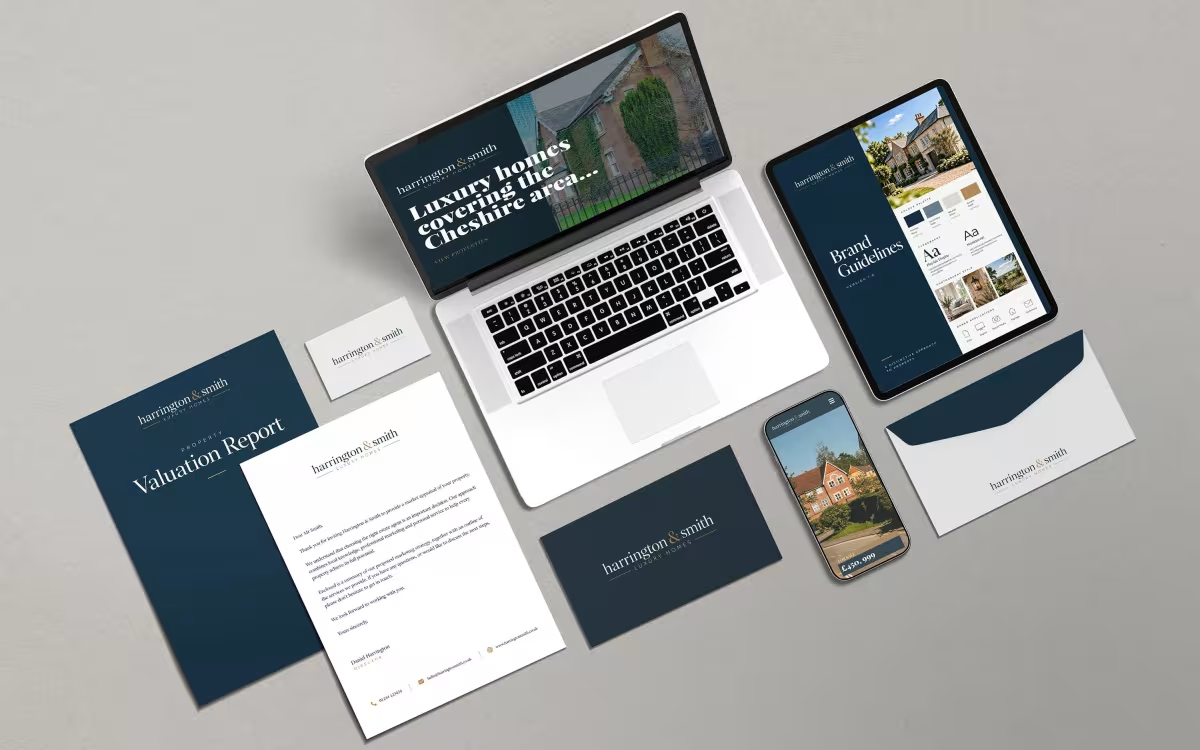
Why should branding come first? Once you've invested in property boards, brochures and business cards, changing your branding becomes far more expensive. Taking the time to get it right first makes everything else feel connected.
Why is a professional website so important? Your website is often the first place people visit after hearing about your agency. It should make it easy to search properties, request a valuation and contact your team.
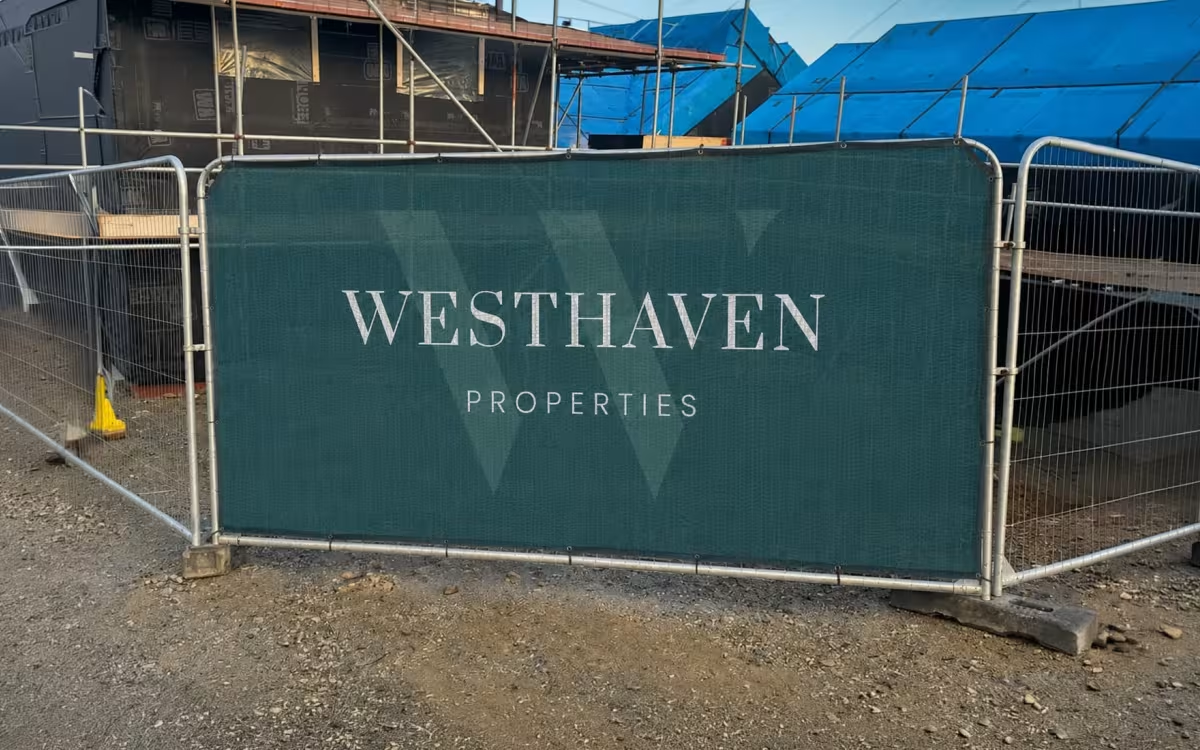
Does printed marketing still matter? Yes. Buyers and sellers still come across estate agents away from a screen. Property boards, brochures and valuation packs help present your business professionally and support face-to-face conversations.
When should marketing begin? Before launch. Having your website, Google Business Profile and social media ready means you can begin promoting your business from the day you open.
1. Why is branding important when launching an estate agency?
Branding helps people recognise and remember your business. Before investing in your website, property boards or printed marketing, it's worth creating an identity that can be used consistently across everything your agency produces.
Once you've ordered your first property boards, business cards and brochures, changing your branding becomes much more expensive. Spending a little more time at the beginning often avoids replacing marketing material further down the line.
What should your branding include?
- Logo
- Colour palette
- Typography
- Brand guidelines
- Professional photography
- Team photographs
2. What should a new estate agent website include?
A new estate agent website should make it easy for people to search properties, request a valuation and contact your business. It should also work well on mobile devices and be straightforward for your team to manage.
Whether someone has discovered your agency through a recommendation, seen one of your property boards or found you online, your website is usually where they'll go next. It should answer their questions quickly and make taking the next step feel straightforward.
Features most estate agent websites include
- Property search
- CRM integration
- Instant valuation form
- Contact forms
- Local area pages
- Clear calls to action
3. What printed marketing does a new estate agent need?
Printed marketing continues to play an important role when launching an estate agency. Property boards, brochures, valuation packs and business stationery all help present your business professionally from the beginning.
Although most property searches begin online, printed material often becomes the first physical interaction people have with your business. Keeping every item consistent with your branding helps create a professional image from the outset.
Printed marketing to consider before launch
- Property boards
- Valuation folders
- Business cards
- Letterheads
- Compliment slips
- Property brochures
- Window displays
4. How should a new estate agent market their business?
Most new estate agencies begin with a professional website, a Google Business Profile and a small number of active marketing channels. These provide a solid foundation before investing in wider marketing activity.
Trying to use every marketing channel from the beginning isn't always necessary. It's usually more effective to focus on a handful of channels, keep them updated and expand your marketing as the business grows.
Marketing channels to set up before launch
- Google Business Profile
- Email marketing
- Search engine optimisation (SEO)
5. How can a new estate agency build trust?
People often decide whether an estate agent feels right before making contact. A professional website, consistent branding and clear information all help create confidence from the beginning.
Every agency starts without an established reputation. Until you've built one locally, the way your business presents itself becomes one of the strongest indicators of professionalism.
Trust signals to have in place before launch
- Redress scheme membership
- Professional memberships
- Terms of business
- Privacy policy
- Client testimonials (where available)
6. What should you have in place before launching an estate agency?
Before opening your doors, it's worth making sure the essentials are already in place. Having your branding, website and marketing prepared means you can start promoting your agency from the day you launch.
Estate agency launch checklist
- Branding
- Website
- Property software
- Google Business Profile
- Property boards
- Valuation pack
- Business cards
- Social media
- Email signatures
- Professional photography
- Redress scheme membership
- Marketing plan
Frequently Asked Questions
The cost of launching an estate agency depends on your business model and the services you need. Typical costs include branding, a website, property software, printed marketing, insurance, compliance and office premises where applicable.
Yes. Creating your branding before ordering property boards, brochures and business stationery helps keep everything consistent and avoids the cost of replacing marketing material shortly after launch.
Yes. Many estate agencies now operate from serviced offices or work remotely, relying on a professional website, local marketing and property software to support their business. The right approach depends on your business model and the areas you intend to serve.