Do QR Codes on Estate Agent Boards Actually Work?
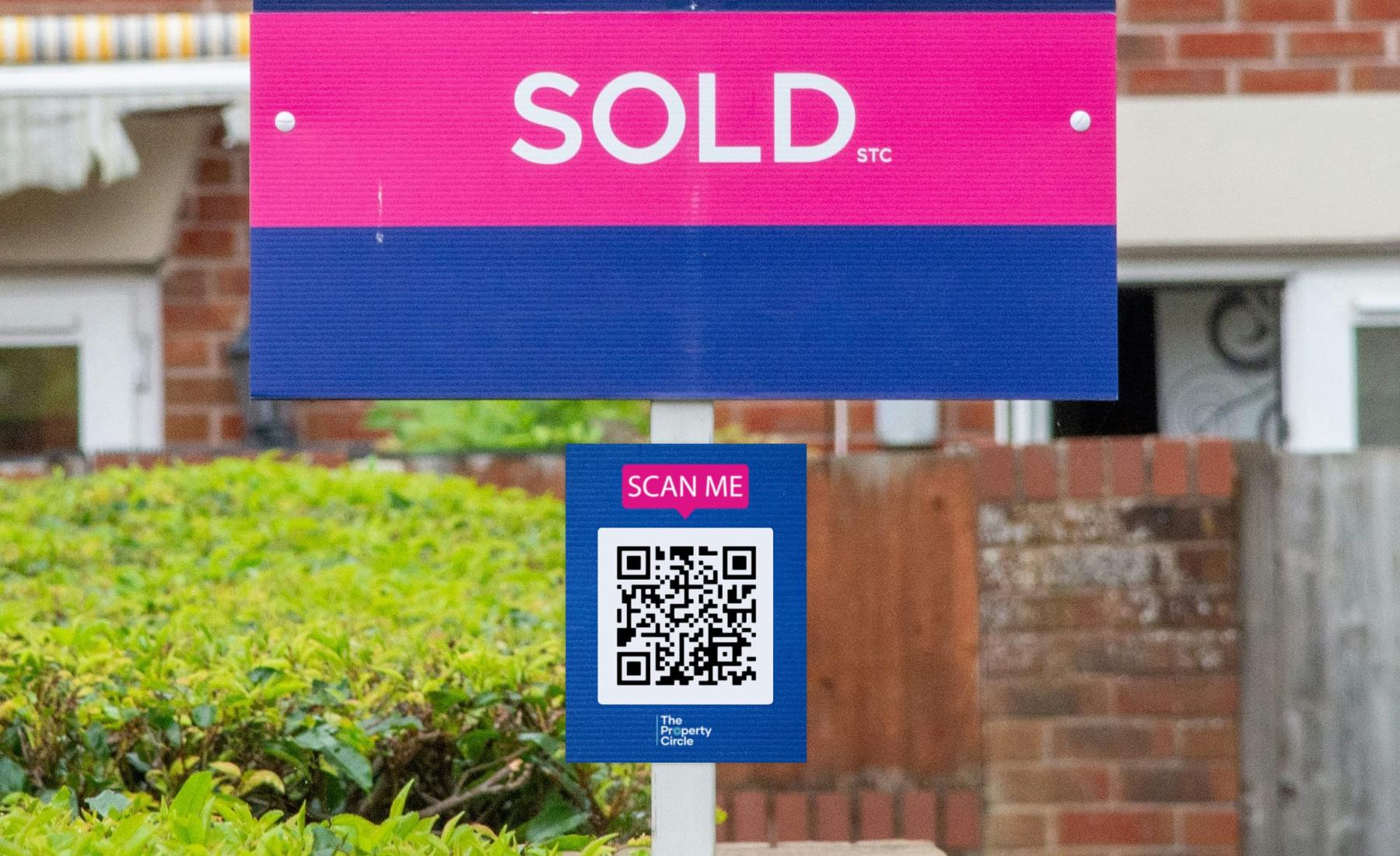
QR codes are giving estate agents another way to connect printed marketing with their website. Whether someone is standing outside a property or reading a brochure, they can scan the code to view property details, book a viewing or request a valuation without searching for the information themselves.
A QR code lets people view a property's details immediately: There's no need to remember the address or search for the property later. A quick scan takes buyers straight to the information they're looking for.
QR codes work well across almost any printed marketing: They can be added to property boards, brochures, window displays, business cards and valuation packs, making it easy to connect printed material with your website.
Using dynamic QR codes gives you more flexibility: If a property changes status or a webpage moves, you can update the destination without replacing your printed marketing.
A QR code is only as useful as the page it links to: Make sure visitors arrive on a fast, mobile-friendly page that gives them the information they expect to find.
1. Why More Estate Agents Are Using QR Codes
People don't browse property in the same way they used to. If someone spots a property while walking the dog or driving home from work, they're unlikely to remember a long website address later that evening.
A QR code removes that extra step. Instead of searching for the property themselves, they're taken straight to it with a single scan.
We've found they're particularly useful on properties where people regularly stop to look or where passing traffic is slower.
2. They're Not Just for Property Boards
Although they're becoming increasingly common on For Sale and To Let boards, QR codes work just as well elsewhere.
You'll often see them used on:
- Valuation packs
- Property brochures
- Window displays
- Business cards
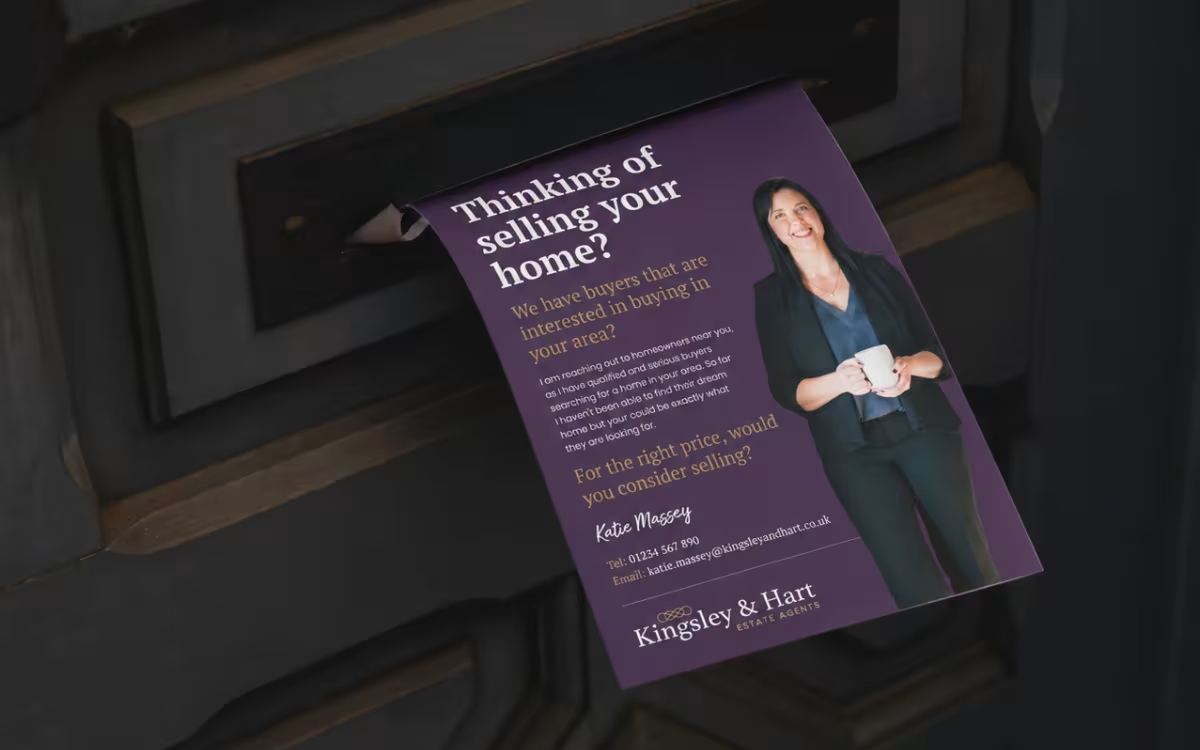
- Direct mail
- Development signage
Rather than asking someone to type in a web address, they can go straight to the information they're interested in.
3. Think About Where the QR Code Takes People
Adding a QR code is only half the job. The page someone arrives on should load quickly, work properly on a mobile phone and give them a clear next step.
That might be:
- Viewing the full property details
- Booking a viewing
- Requesting a valuation
- Contacting the office
- Looking at similar properties nearby
If the landing page is slow or difficult to use, the QR code has done its job but the website hasn't.
4. Static or Dynamic QR Codes?
Most people only think about the design, but it's worth considering which type of QR code you're using. Static QR codes always point to the same web page.
Dynamic QR codes can be updated later without replacing the printed board or brochure.
That can be useful if a property sells, a campaign changes or you'd like to track how often a code has been scanned.
5. Keep It Simple
One mistake we sometimes see is treating a QR code as though everyone automatically knows what it's does. A simple instruction such as "Scan to view the full property details" or "Scan to book a valuation" gives people a reason to use it.
It's also worth leaving enough space around the code so it's easy to scan from different angles and distances.
Frequently Asked Questions
They can make it much easier for buyers to view property details immediately without needing to search for the property later.
That depends on its purpose. It could link to a property listing, valuation page, development website or contact form, but whatever page you choose should work well on mobile devices.
Yes, if you're using dynamic QR codes. These allow the destination page to be updated without replacing the printed material.